Are you considering lip fillers to enhance your natural beauty? With the growing popularity of lip fillers, more and more people are jumping on board to improve their smiles. However, before going on this life-changing adventure, it is important to understand lip fillers, their benefits, potential hazards, and the numerous options available. Whether you’re looking to add volume, shape, or structure to your lips, understanding the ins and outs of lip fillers is crucial. In this ultimate guide, we’ll cover everything you need to know before getting lip fillers done.
What Are Lip Fillers?
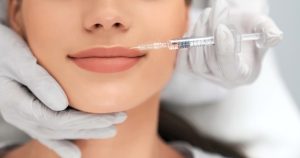
Lip fillers are a popular cosmetic procedure that involves injecting a gel-like substance, typically made of hyaluronic acid, into the lips to add volume and shape. The results are temporary, usually lasting between 6 to 12 months, depending on the type of filler used and individual factors.
HA is a naturally occurring chemical in the body that aids in skin hydration and volume. Because the body progressively breaks down and absorbs the filler over time, the use of HA fillers in lip augmentation is considered safe and transitory. An expert doctor often performs this procedure, precisely injecting the filler into specific parts of the lips to obtain the desired results. Lip fillers can be tailored to individual tastes, allowing patients to achieve the desired level of volume and definition.
Finding the Right Doctor
When considering lip fillers, it’s essential to find a reputable and experienced doctor who can do it. Research potential doctors thoroughly, considering factors such as their qualifications, experience, and reviews from previous clients. Consultations are also crucial for discussing your desired outcome and addressing any concerns.
Request before and after images of past lip filler patients from the doctor. This will offer you an indication of their skill level and the type of results they are capable of producing. Look for patients who have similar lip shapes and outcomes as you.
Choose a doctor who will listen to your worries, answer your questions, and thoroughly explain the procedure. Trust your intuition and go with a service provider who makes you feel at ease and confident in their abilities.
Understanding the Procedure
Lip fillers require numerous stages to assure safety and obtain the desired effects. First and foremost, a consultation with a skilled doctor is required. He/ she will then address the patient’s expectations and desired objectives, as well as the suitability of lip fillers for their specific case, during this session.
The procedure can begin once the patient and doctor have agreed on a treatment plan.
During the procedure, the doctor will first apply a numbing agent to minimize discomfort. The filler will then be injected strategically to achieve the desired results. While some bruising and swelling are common after the procedure, they typically subside within a few days.
Small amounts of filler are injected to achieve the appropriate volume and form as the doctor will closely monitor the procedure to maintain symmetry and proportionality.
Aftercare and Recovery
After getting lip fillers, it’s important to follow the aftercare instructions provided by your doctor. This may include avoiding strenuous exercise, excessive sun exposure, and certain medications that can increase the risk of bruising. Keeping the lips hydrated and avoiding excessive pressure on the lips is also essential during the recovery period.
It is also best not to use lipstick or other lip products right after the operation to allow the filler to settle and integrate into the tissues.
Lip fillers have temporary effects, and the duration of the results varies based on factors such as the type of filler used, the patient’s metabolism, and lifestyle choices. Lip fillers’ effects typically last 6 to 12 months, after which a touch-up or maintenance surgery may be required.
Potential Risks and Side Effects of Lip Fillers
Like any cosmetic procedure, lip fillers carry potential risks and side effects. These may include temporary swelling, bruising, asymmetry, and in rare cases, allergic reactions. Being aware of these risks and discussing them with your doctor is crucial before undergoing the procedure.
Tenderness, itching, or lumps in the treated area may also occur in some people. These problems usually go away on their own after a few weeks, although they can be controlled with prescribed drugs or icing the affected area. Infection is another potential concern that might arise if correct sterilizing measures are not used during the process or if post-treatment recommendations are not followed.
Severe infections may necessitate antibiotic treatment or even surgical intervention in rare circumstances. Allergic responses to the filler ingredient are likely as well. Mild symptoms such as itching, and hives might progress to more serious reactions such as trouble breathing or facial swelling. These reactions are uncommon, but they should be treated as soon as possible by a medical doctor.
Long-Term Maintenance
Long-term lip filler maintenance entails a mix of correct aftercare, follow-up appointments, and comprehension of the natural evolution of dermal fillers over time. It’s critical to follow the post-procedure guidelines offered by your expert doctor after receiving lip fillers. Avoiding intense activity, such as extensive sun exposure, and some drugs or supplements that may raise the risk of swelling or bruising are examples of such precautions. While lip fillers offer temporary results, long-term maintenance is key to achieving the desired outcome. Some individuals may opt for regular touch-up appointments to maintain the volume and shape of their lips, while others may choose to let the filler naturally dissipate over time.
Follow-up sessions are required on a regular basis to assess the growth of the lip fillers and determine whether any touch-ups or additional procedures are required. The frequency of these treatments may vary based on the individual’s reaction to the filler and the desired results. It is critical to consult with a healthcare professional to develop a complete treatment plan and timetable to ensure the longevity of the lip fillers.
Conclusion
In conclusion, lip fillers can be a transformative option for enhancing the appearance of your lips. They can be a safe and effective technique to improve the look of your lips. They produce rapid benefits and can assist in achieving a fuller, more voluminous appearance.
By understanding the procedure, finding the right provider, and being aware of the potential risks and aftercare, you can make an informed decision about whether lip fillers are right for you. Remember to prioritize safety and research when considering any cosmetic procedure. Overall lip fillers are a great option for those who are seeking a temporary solution to improve the shape and size of their lips.